

How to Verify Your Flyer Campaign? 7 Proof Points to Request
Key Summary:
Unverified flyer distribution leads to wasted marketing budget, but Singapore SMEs can guarantee execution transparency by demanding 7 specific proof points from their distribution partners. This 2026 Flyer Campaign Verification Guide outlines the essential evidence required for campaign accountability: target area and exclusion maps, zone-based quantity allocation, packing handover proof, supervisor briefing logs, time-stamped field photos, real-time issue escalation workflows, and structured completion summaries. Integrating these operational proof points with offline-to-digital measurement tools like custom QR codes and localized promo codes ensures every distribution run is fully trackable, auditable, and built to drive measurable customer conversions.
You have printed 5,000, 10,000, or even 50,000 flyers. The campaign is scheduled, the materials have been handed to a distribution team, and the job is marked as completed. But there is one question many business owners still have: How do I know my flyers were actually distributed where they were supposed to go?
This is where verification becomes important. Proof of delivery gives businesses a clearer picture of what happened after their printed materials left the office. It can help confirm campaign coverage, identify gaps, improve future planning, and create greater accountability between the business and its distribution partner. A low distribution rate alone means very little if the area covered, timing of execution, and actual completion cannot be independently verified. Businesses should know exactly what evidence they will receive before approving the job, so they are not relying on numbers without context.

For Singapore SMEs, this becomes even more important when campaigns involve multiple neighbourhoods, HDB estates, commercial buildings, street locations, or thousands of individual pieces. A professional distribution campaign should have a process for checking execution. Flyer Distribution SG, for example, provides clients with a customer URL where they can track task status, assignments, and supporting photos.
The goal is simple: make your physical marketing campaign easier to understand, verify, and improve.
7 Proof Points to Request From Your Flyer Distribution Company
1. Confirm Target Areas and Exclusions
Before any distribution begins, businesses should clearly define which areas are included and which are excluded. In Singapore campaigns, this can go beyond HDB blocks and may include specific streets, shopfronts, commercial buildings, office clusters, or high-footfall zones such as areas in front of restaurants, MRT exits, or retail corridors.
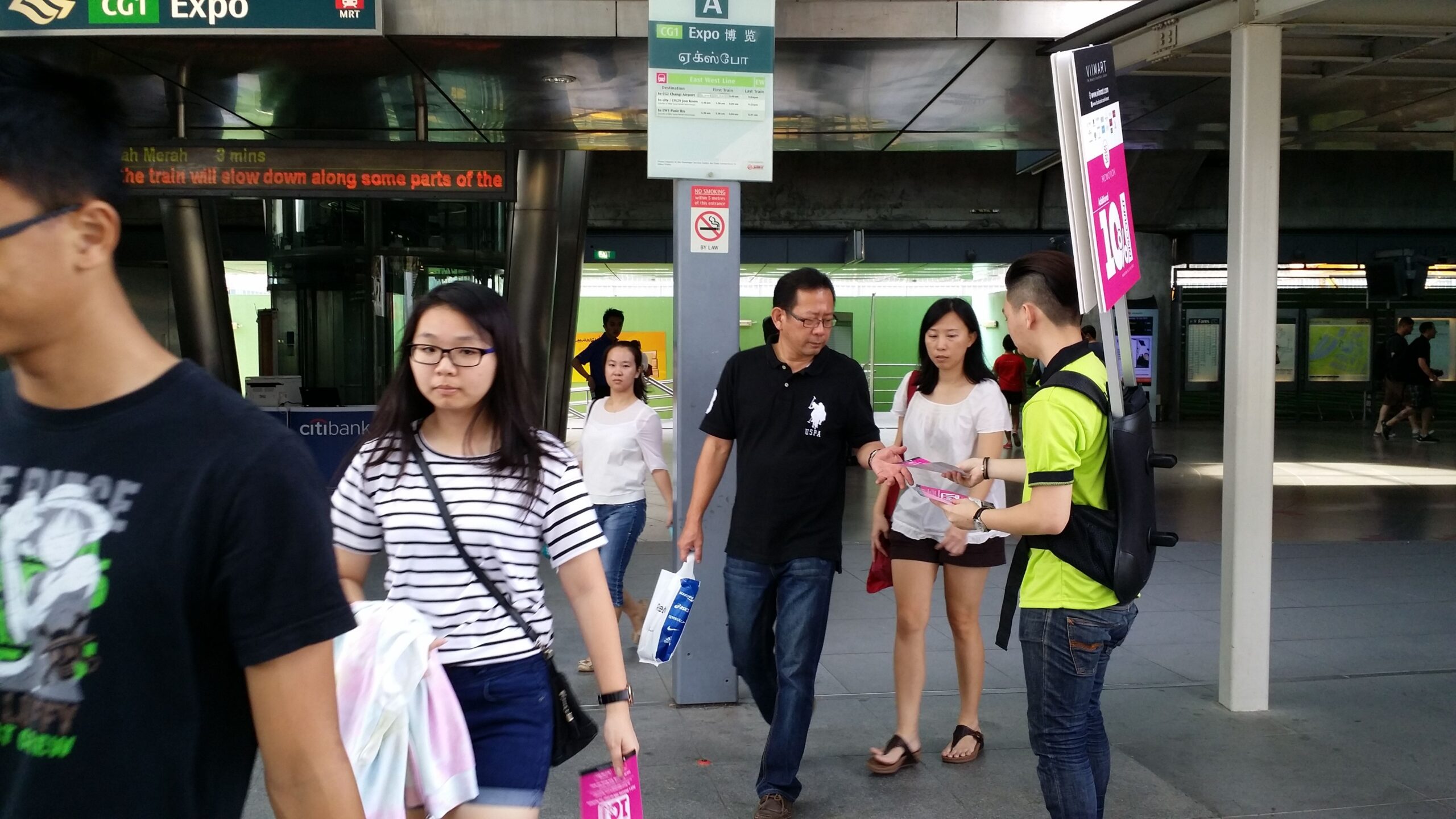
A proper campaign setup should document:
- Target areas such as streets, neighbourhood zones, commercial buildings, or storefront clusters
- Specific exclusions (e.g., private estates, restricted access zones, no-distribution buildings, or areas outside agreed footfall routes)
- A final agreed distribution map or area list before execution begins
This ensures both the client and distributor are aligned on exact coverage expectations across real-world locations, reducing disputes after the campaign.
2. Quantity Allocation by Zone
The number of flyers printed is not the same as how they are distributed.
A structured campaign should break down total quantities into zone-based allocations, such as:
- Estate A: 5,000 flyers
- Estate B: 7,000 flyers
- Estate C: 3,000 flyers
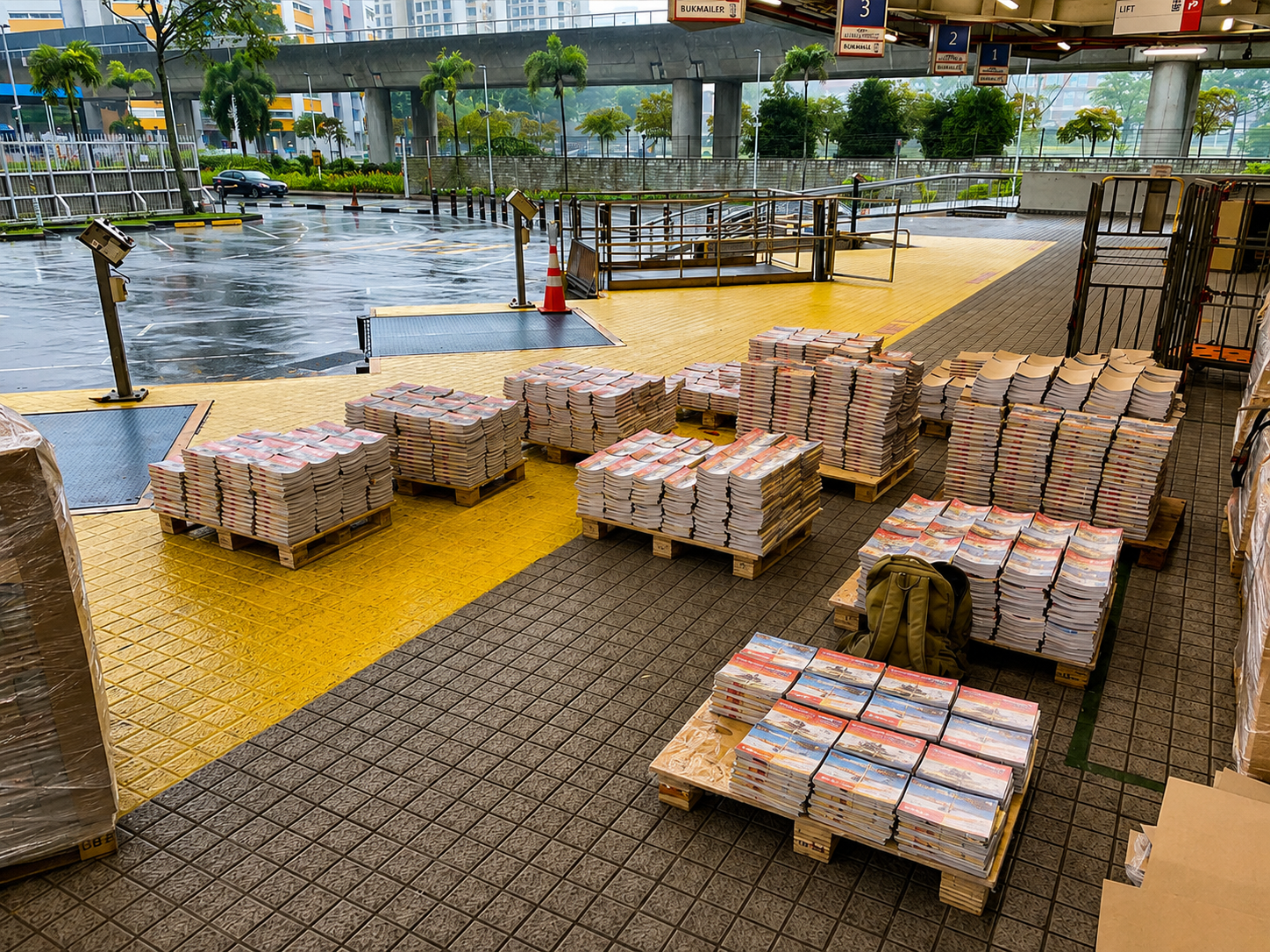
This allows businesses to understand:
- Where their budget is going
- Whether each area received the intended share
- How performance compares across different zones
Without zone-level allocation, it becomes difficult to verify true coverage.
3. Packing and Handover Proof
Before distribution starts, there should be clear evidence that flyers were properly packed, counted, and handed over to the assigned team.
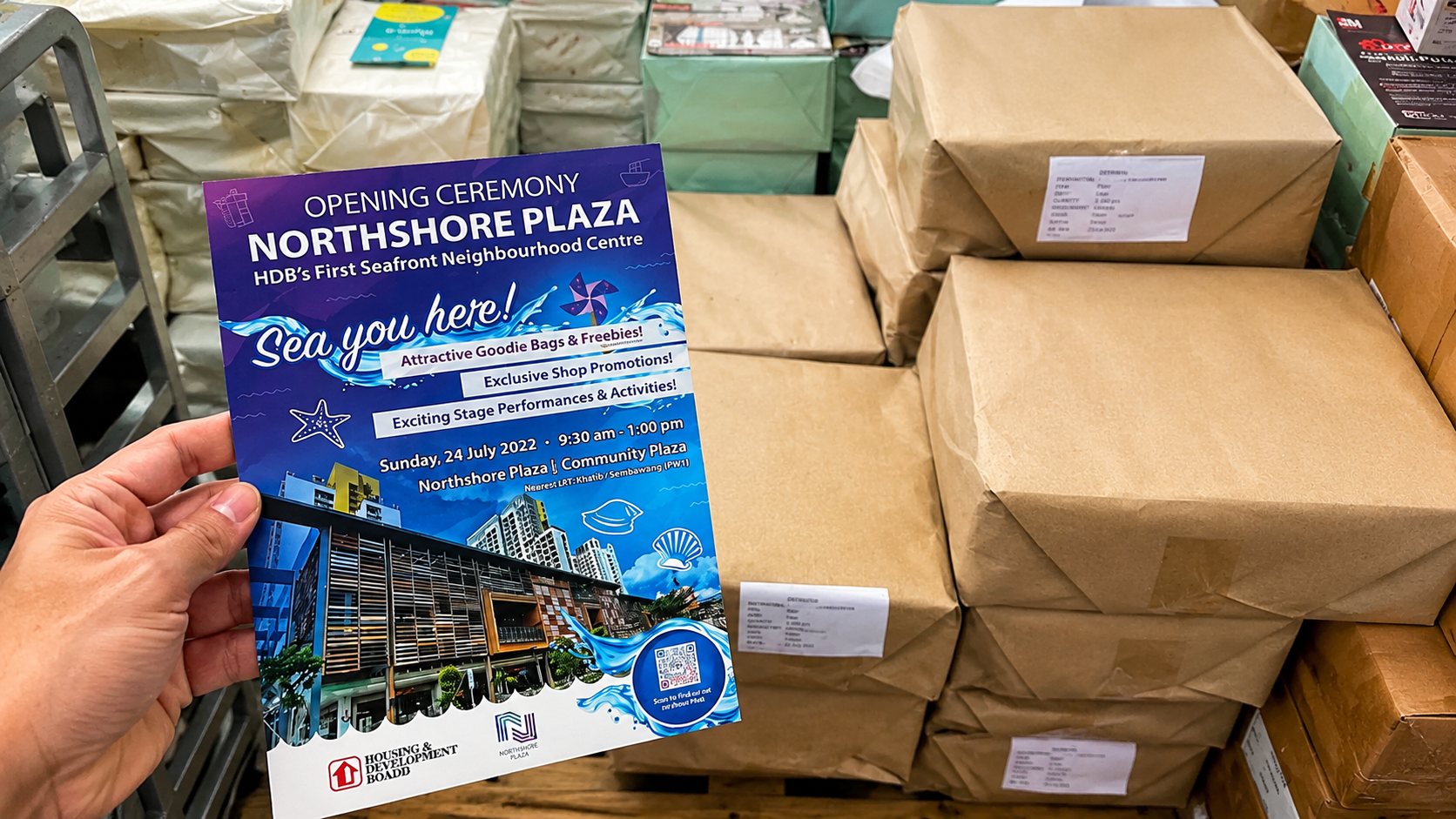
This can include:
- Bundle or carton photos with visible counts
- Handover confirmation between operations and distributor
- Job ID or assignment reference linked to the materials
This step ensures accountability from the very beginning of the campaign lifecycle, not just during field execution.
4. Supervisor and Distributor Briefing
A professional campaign should always start with a clear briefing process.
This includes:
- Supervisor instructions on target areas and exclusions
- Distributor briefing on expected quantity, route, and timing
- Confirmation that the team understands campaign requirements
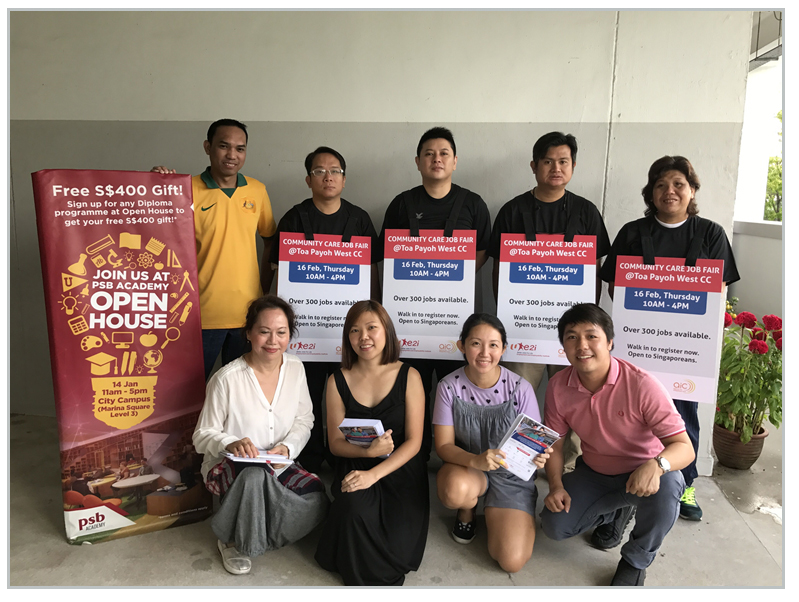
Briefing records help ensure that execution is aligned with the original plan, especially for multi-zone or large-scale campaigns where miscommunication can lead to coverage gaps.
5. Time-Stamped or Zone-Based Field Photos
Photos are more valuable when they are time-stamped and linked to specific locations, zones, or tasks.
Instead of generic images, businesses should look for:
- Photos taken during actual distribution activity
- Time and date stamps attached to each submission
- Clear tagging of zones, estates, or block-level locations (e.g., Jurong West Zone A, Bedok Block Cluster, Tampines Sector 3)
- Visual proof tied to specific areas or assigned routes
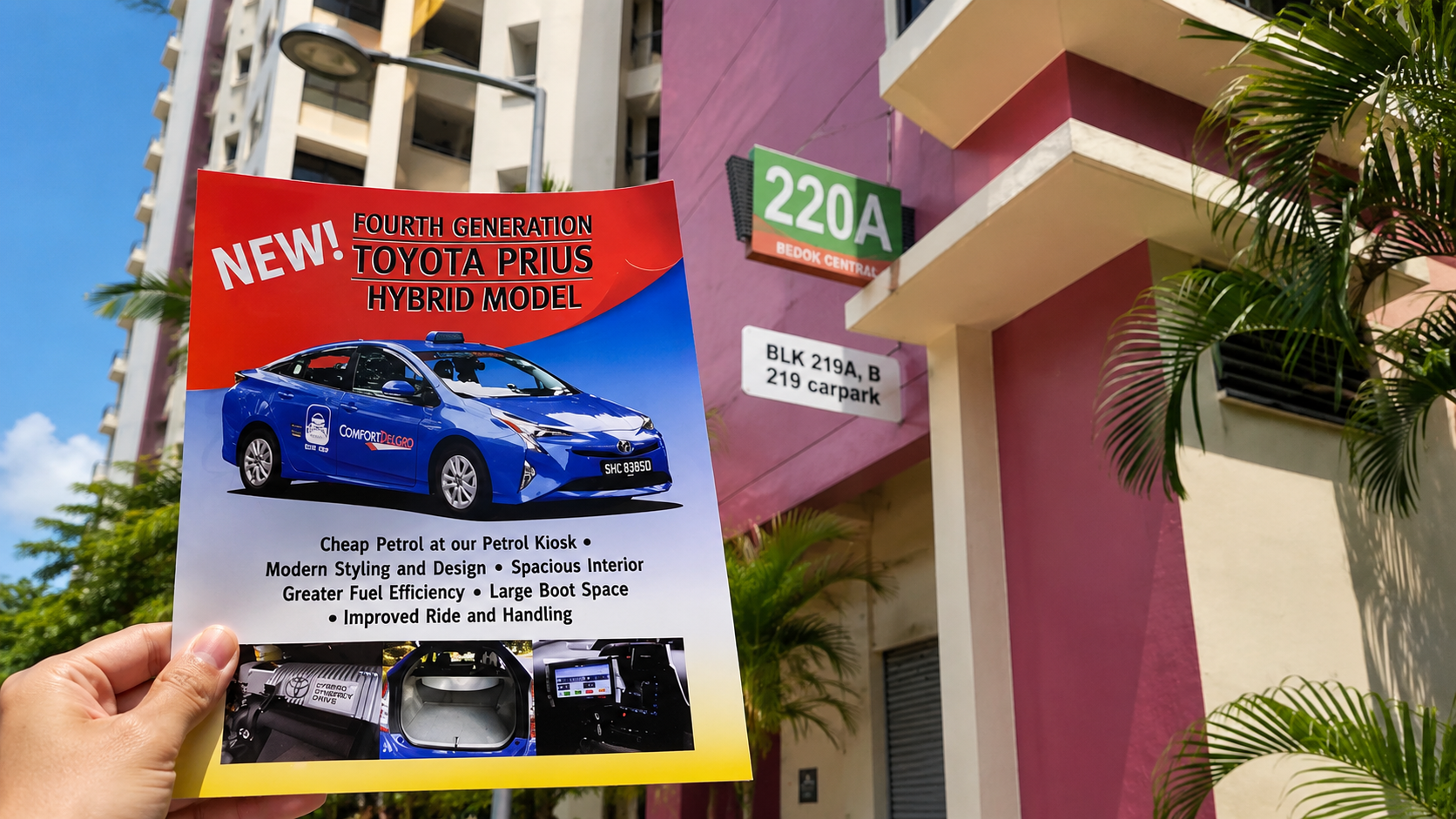
This helps confirm not just that distribution happened, but when, where, and in which zone it happened in real time.
6. Issue Escalation
No field campaign is perfect, so a strong system should include a clear issue escalation process.
This may include:
- Missed blocks or inaccessible units
- Weather or access disruptions
- Shortage or surplus of materials
- On-ground execution challenges
A proper escalation workflow ensures that issues are reported early, resolved quickly, and documented for transparency. This also helps prevent silent gaps in coverage.

7. Completion Summary and Next-Wave Recommendations
At the end of the campaign, businesses should receive a structured completion summary, not just a “job done” message.
A strong report should include:
- Final distribution status by zone
- Total quantities completed vs planned
- Summary of issues encountered (if any)
- Evidence links (photos, logs, records)
- Recommendations for the next campaign wave

This final step turns a one-time campaign into a continuous improvement cycle, helping businesses refine targeting, budgeting, and distribution strategy for future runs.
How to Measure Offline Campaigns: From Distribution Proof to Real Results
Verifying distribution answers one question: Was the campaign executed? Measuring the campaign answers another: Did people respond? One of the simplest ways to connect physical marketing with digital behaviour is through a QR code. A campaign-specific QR code can direct customers to a website, landing page, enquiry form, SMS action, email, phone call or promotional page. QR tracking can then show how many people interacted with the campaign and when those interactions happened.
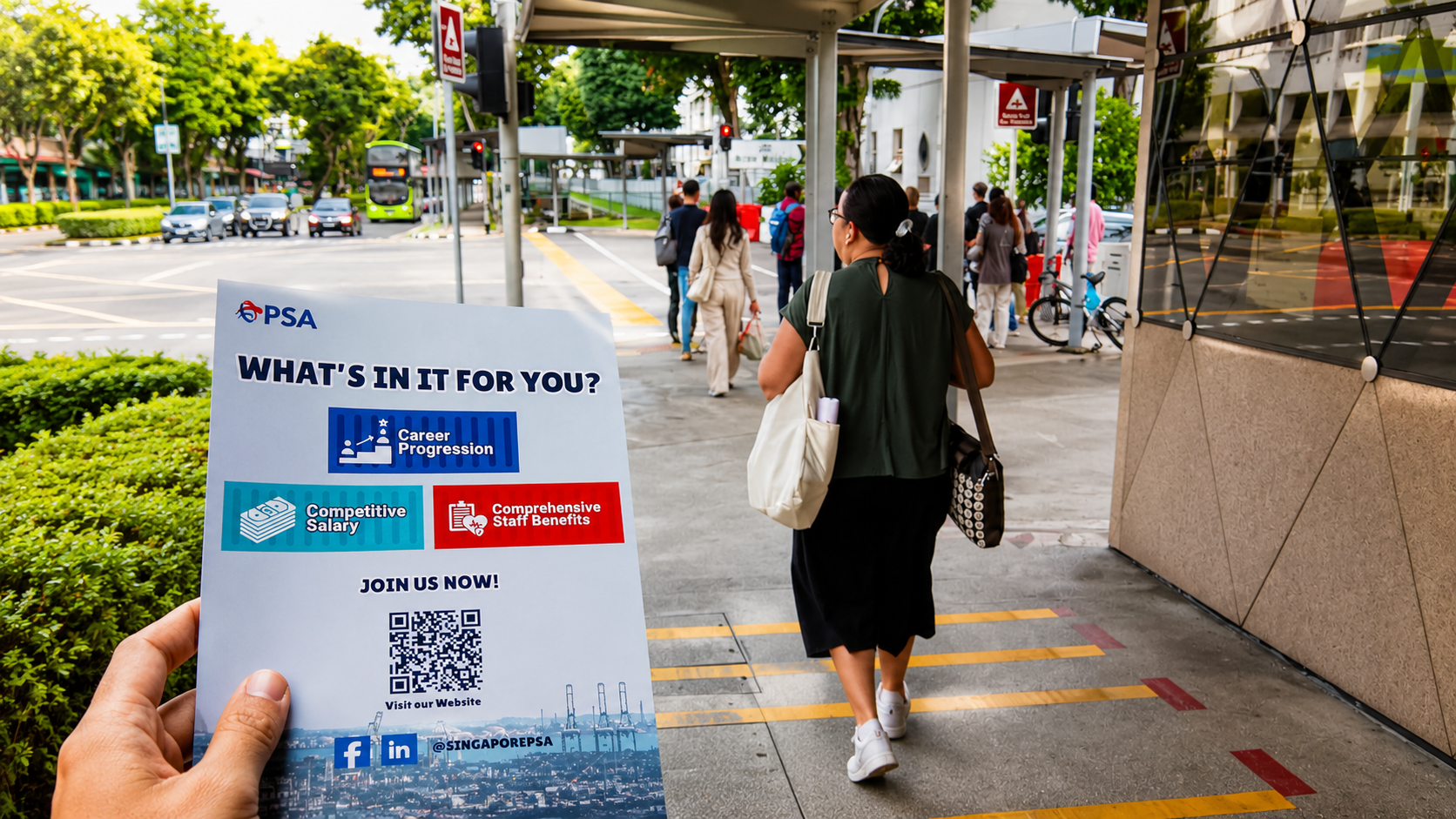
Singapore marketing practitioners also recommend unique QR codes, URLs and promotional codes as practical ways to measure offline campaigns. Another option is a unique discount or voucher code. Instead of using the same promotion everywhere, create different codes for different distribution areas. For example, a Bedok campaign could use BEDOK10, while a Jurong campaign could use JURONG10. When customers redeem the offer, the business gains an additional indication of where the response came from. This approach can be particularly useful for F&B, retail, beauty, fitness and local services where customers can redeem a promotion directly.
Case Study: Managing Distribution Across 100,000+ HDB Households
For one large-scale campaign, Flyer Distribution SG planned the distribution across multiple HDB estates, including Jurong West, Jurong East, Clementi, Boon Lay, Bukit Batok, Bukit Panjang, CCK and Pioneer. To maintain consistent coverage, the campaign was divided into manageable clusters, with approximately 1,000 units assigned to each distributor. Tasks were tracked through the HiFlyer system to coordinate the team and reduce the risk of missed areas. Throughout the campaign, the client also received regular progress updates, including photo documentation and reports every two days, providing greater visibility into the campaign’s execution.
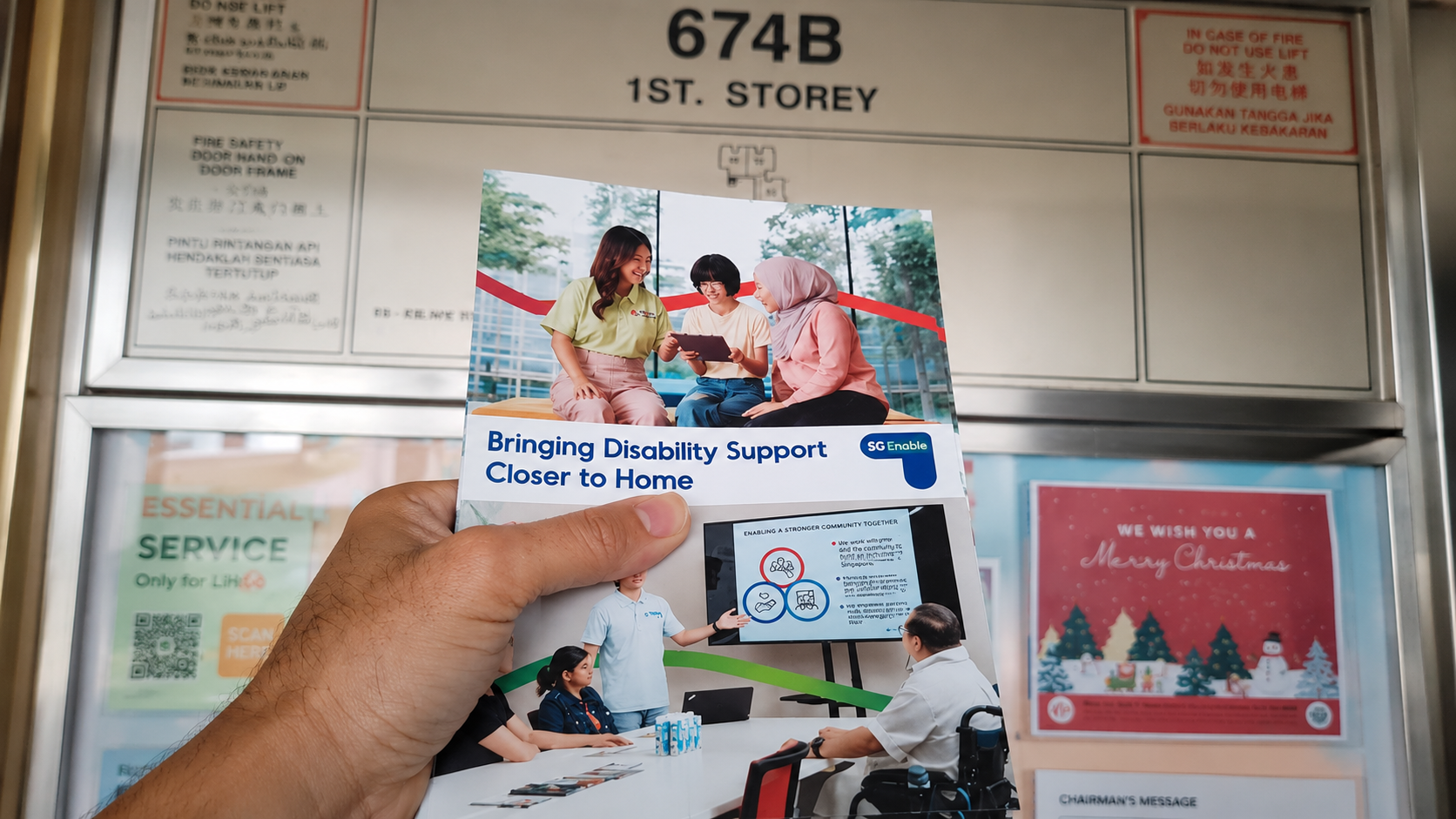
The campaign successfully reached more than 100,000 households and was completed on schedule with strong coverage and positive community feedback. More importantly, the structured distribution process gave the client confidence in how the campaign was managed. Following the successful campaign, the client continued working with Flyer Distribution SG for subsequent distribution rounds, developing a long-term partnership. This shows how detailed planning, organised task management and regular proof of progress can make a large offline campaign easier for businesses to monitor and evaluate.
Why Verification Should Be Part of Your Distribution Strategy
There is a difference between reporting that a campaign happened and giving a client enough information to understand how it happened. Some providers in the market already offer basic progress communication, such as daily SMS and WhatsApp updates or distribution progress reports shared through messaging platforms. That means simply promising “updates” is no longer a strong enough differentiator.
The better question is: What can a client actually verify? Flyer Distribution SG’s partnership with HiFlyer provides a customer URL for tracking task status, assignments, and supporting photos. Its distributor registration and task assignment system also creates a structured workflow behind the campaign. This gives businesses a stronger starting point for understanding execution and ensures that distribution is not just reported, but documented in a traceable way.
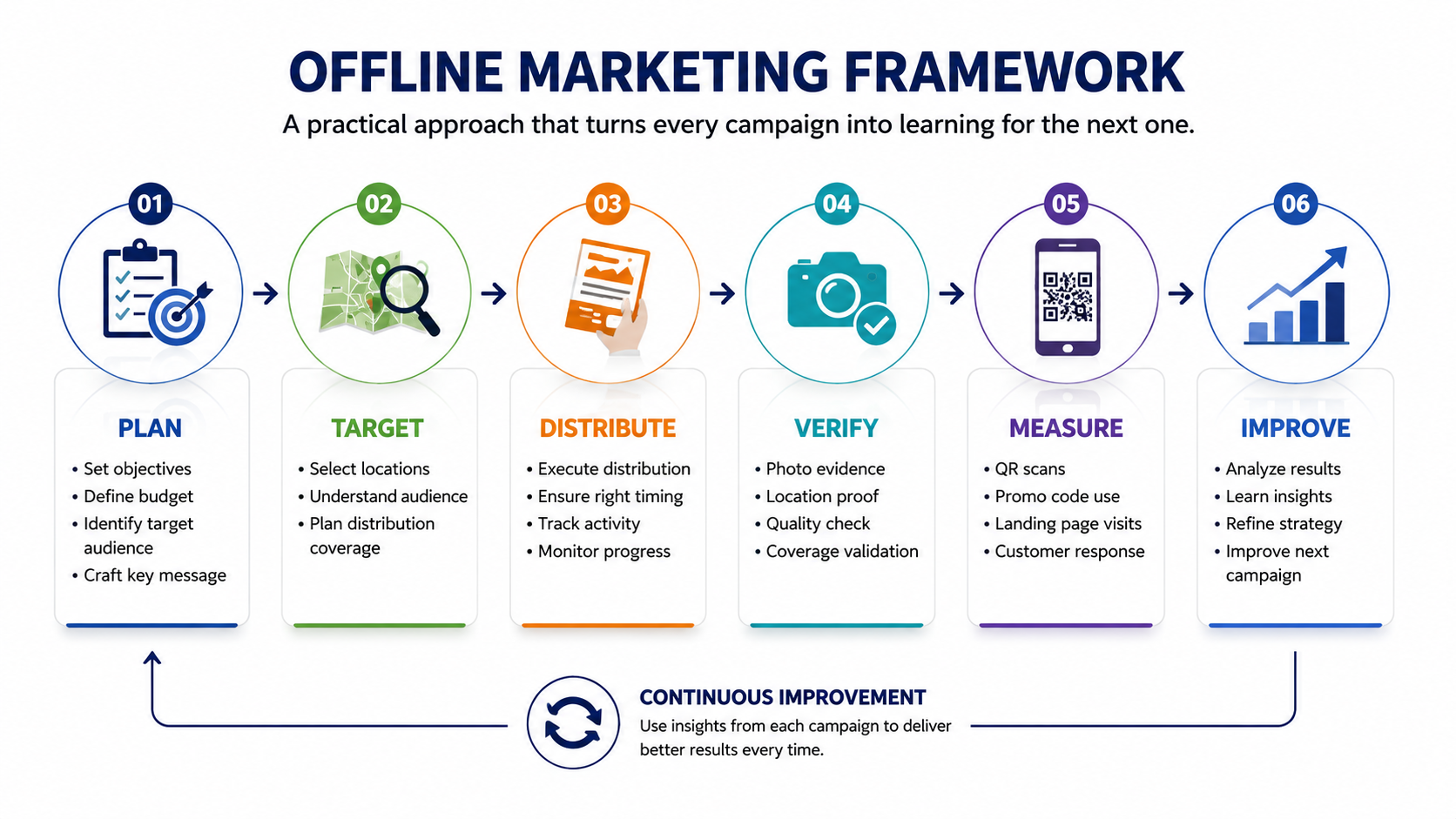
From there, campaign-specific QR codes, promotional codes, and landing pages can help connect distribution activity with customer response. For businesses planning large campaigns, this creates a useful framework: Plan → Target → Distribute → Verify → Measure → Improve. That is a more practical approach to offline marketing because every campaign can become a source of learning for the next one.
Closing: Ask for Proof Before You Ask for More Flyers
The next time you speak to a flyer distribution company, don’t only ask, “How much do 10,000 flyers cost?” Ask what happens after the flyers leave the printer. Can the company show where the campaign was carried out? Can it provide supporting photos? How are distributors assigned? Can you check campaign progress? How are quantities and locations recorded? What happens if part of the campaign needs to be checked? These questions help you evaluate the quality of the distribution process before committing your marketing budget.
At Flyer Distribution SG, our focus is to make distribution more transparent and manageable through structured campaign planning, location targeting, task management, and supporting campaign evidence. For businesses that also want to measure customer response, QR codes and campaign-specific promotions can extend the journey from physical distribution to measurable digital action.
Ultimately, the most effective campaigns are not just about how many flyers are printed, but how clearly the process and results can be verified. Are you planning a flyer campaign and want to know how your distribution can be tracked and verified? Comment “PROOF” below, and our team can share more about how Flyer Distribution SG manages campaign tracking and distribution verification.
Q&A: Flyer Distribution Verification in Singapore
How to verify my flyer campaign?
Before approving a flyer distribution campaign, ask your distribution provider for clear evidence at each stage of execution. This can include confirmed target areas and exclusions, quantity allocation by zone, packing and handover proof, supervisor and distributor briefing records, time-stamped or zone-based field photos, issue escalation records, and a final completion summary. These proof points help you understand whether the campaign followed the agreed plan and make it easier to identify gaps before they affect your next campaign.
Why should I confirm target areas before distribution?
Clear target areas help both the business and distribution team understand exactly where the campaign should take place. This can include HDB estates, streets, commercial buildings, office clusters, shopfronts, or high-footfall areas. Defining exclusions at the same time also reduces misunderstandings and makes the final campaign coverage easier to verify.
How can I check whether my flyers were distributed in the right quantities?
Ask for quantity allocation by zone before the campaign begins. For example, if 15,000 flyers are planned across three estates, the campaign could be divided into 5,000 flyers per area. This creates a clearer record of where the campaign budget is being allocated and makes it easier to compare planned quantities with completed distribution.
What is packing and handover proof?
Packing and handover proof documents what happens before flyers reach the field team. This may include bundle or carton photos, handover confirmation, counts, and a job or assignment reference. It creates an accountability trail from the moment the materials are prepared to the start of distribution.
Why is distributor briefing important?
A proper briefing ensures that supervisors and distributors understand the target areas, exclusions, quantities, routes, timing, and campaign requirements. This becomes especially important for large campaigns involving multiple teams or locations, where unclear instructions can create missed areas or inconsistent execution.
What should distribution photos show?
Useful field photos should provide more context than a generic picture of someone distributing flyers. Where appropriate, businesses can request time-stamped or zone-based photos that show the campaign activity and connect it to specific areas, estates, blocks, routes, or assigned tasks. This makes photographic evidence more useful when reviewing campaign execution.
What happens if a distributor encounters a problem?
Ask whether the distribution company has an issue escalation process. Problems such as inaccessible locations, weather disruptions, material shortages, or missed areas should be reported and documented rather than left unresolved. A clear escalation workflow allows the team to respond quickly and helps prevent small field issues from becoming larger coverage gaps.
What should I receive when my flyer campaign is completed?
A professional campaign should provide a completion summary showing the final status of the campaign. Depending on the campaign, this can include quantities completed by zone, coverage status, issues encountered, supporting evidence, and recommendations for the next campaign wave. This gives businesses useful information for improving future distribution instead of treating every campaign as an isolated activity.
How can I measure whether my flyer campaign generated results?
Distribution verification tells you how the campaign was executed. To measure customer response, connect the physical campaign with trackable actions such as campaign-specific QR codes, landing pages, unique voucher codes, phone numbers, or promotional links. This can help you understand what happened after customers received or saw your marketing material.
How does Flyer Distribution SG help businesses verify their campaigns?
Flyer Distribution SG uses a structured campaign process covering target planning, quantity allocation, task assignments, distributor coordination, progress tracking, supporting photos, and campaign reporting. Clients can also access a customer URL to monitor task status, assignments, and supporting campaign evidence. For large campaigns, this creates a clearer process from planning to execution and review.
What should I ask a flyer distribution company before hiring them?
Start with seven questions: What areas will you cover? How will quantities be allocated? How are materials packed and handed over? How are distributors briefed? What field evidence will I receive? How are problems escalated? What will I receive when the campaign is completed? The answers can help you compare providers based on transparency, campaign management, and accountability rather than price alone.
Can Flyer Distribution SG help me plan and track my campaign?
Yes. Flyer Distribution SG can help businesses plan their target locations, distribution method, quantity, scheduling, campaign execution, and tracking approach. If you want to make your next campaign more measurable, comment “PROOF” and the team can share more about campaign verification and distribution tracking.