
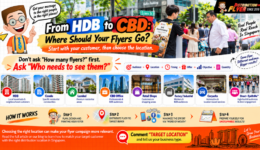
From HDB to CBD: How to Match Your Customer With the Right Flyer Distribution Location
Key Summary
Choosing a flyer distribution location should start with your customer, not your flyer quantity. HDB, condo, landed homes, CBD offices, industrial areas, retail zones and carparks each reach different audiences, so Singapore SMEs can improve campaign relevance by matching location, housing type, age group, timing and offer before deciding how many flyers to distribute.
Ask most businesses how they plan a flyer campaign, and the conversation usually starts the same way. How many flyers do we need, and how much will it cost. It is a fair question, but it is not the right first question, because it skips over who is actually going to receive the flyer and whether they were ever likely to respond in the first place.
Singapore’s residential landscape is more layered than it looks at first glance. Roughly 80% of the population lives in HDB flats, according to a Singapore audience segmentation framework, but that figure hides real variation. HDB residents span a wide range of flat types, from 2-room to executive, while private condo residents generally skew toward a mass affluent segment, and landed property owners skew toward high net worth. Treating “HDB flyer” as a single audience means treating three or four genuinely different customer profiles the same way.
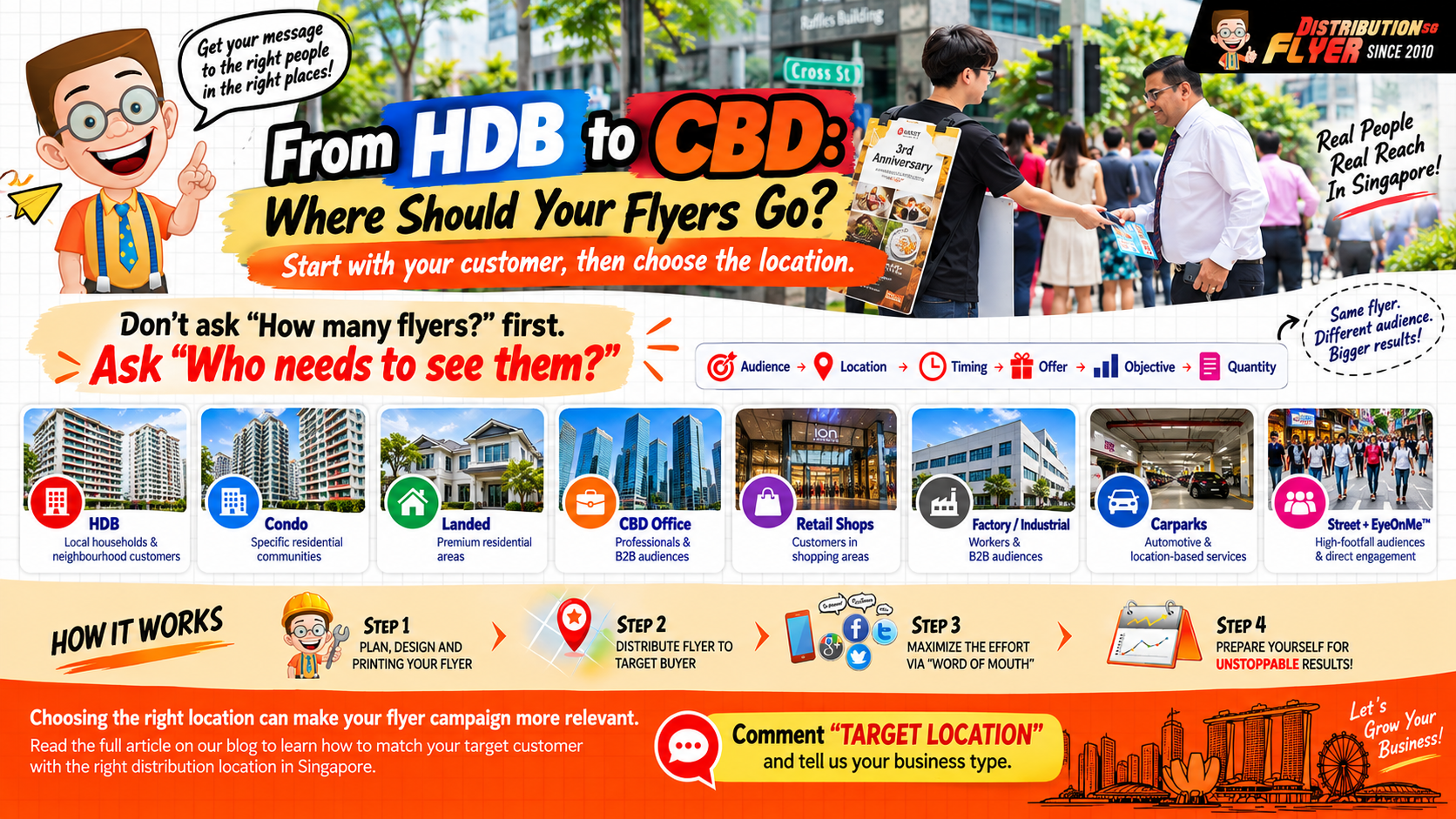
Age matters just as much as housing type. Singapore’s Digital 2026 landscape shows the 25 to 34 age bracket is the largest single cohort in the country, making up 20.3% of the population, according to DataReportal’s 2026 Singapore report. Knowing which age group dominates a particular estate or district changes what tone, offer, and even what channel pairs best with your physical flyer. The better question to start with is not how many flyers you need, it is who actually needs to see this message, and where they already are. A tuition centre may want to reach families living close to the centre. A premium home service may prefer selected landed or condominium areas. A B2B service may have little reason to spend heavily on residential distribution when its decision-makers spend their working day in offices.
Where Should You Distribute Flyers in Singapore? Match the Location to Your Target Audience
1. HDB: Reach Local Households and Neighbourhood Customers
HDB distribution can be useful for businesses that depend on nearby residential demand, including F&B outlets, tuition centres, enrichment providers, home services, healthcare, retail and community events.
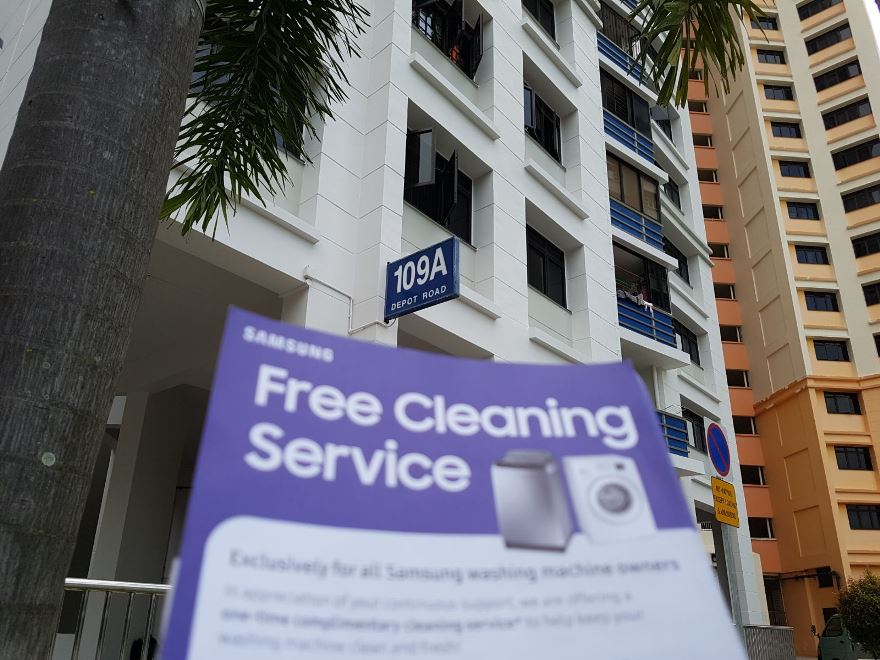
The key is to avoid treating every HDB estate as identical. Consider the location of your outlet, your service radius, household profile and the type of offer you are promoting. For example, a tuition centre may focus on residential areas within a practical travelling distance, while a neighbourhood restaurant may prioritise blocks close enough for customers to visit repeatedly.
2. Condo: Reach Specific Residential Communities
Condominium distribution can make sense when your product or service is relevant to residents in private developments. Examples include premium home services, fitness, beauty, renovation, lifestyle products and selected F&B offers. The key is to choose condo communities based on your actual customer profile, service area and campaign objective rather than assuming every private development has the same audience.
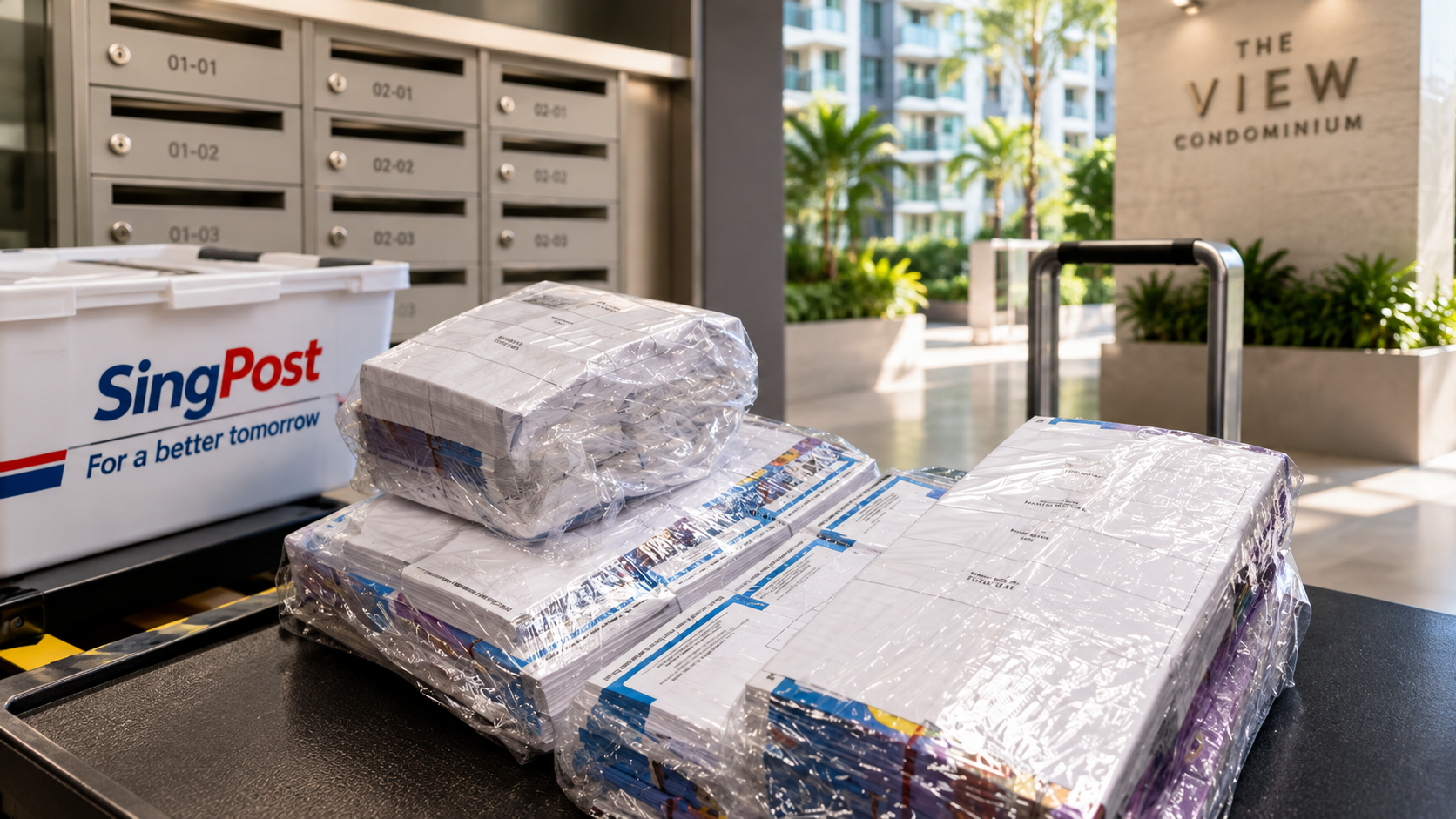
For businesses targeting condominiums, AdMail services via SingPost can make the process more convenient by helping deliver marketing materials directly to selected residential addresses. This reduces the operational hassle of reaching individual households while allowing your campaign to extend across a wider group of relevant residents.
3. Landed: Focus on Concentrated Premium Residential Areas
Landed properties can be useful for businesses offering higher-value products or services where household purchasing power and property ownership are relevant considerations.
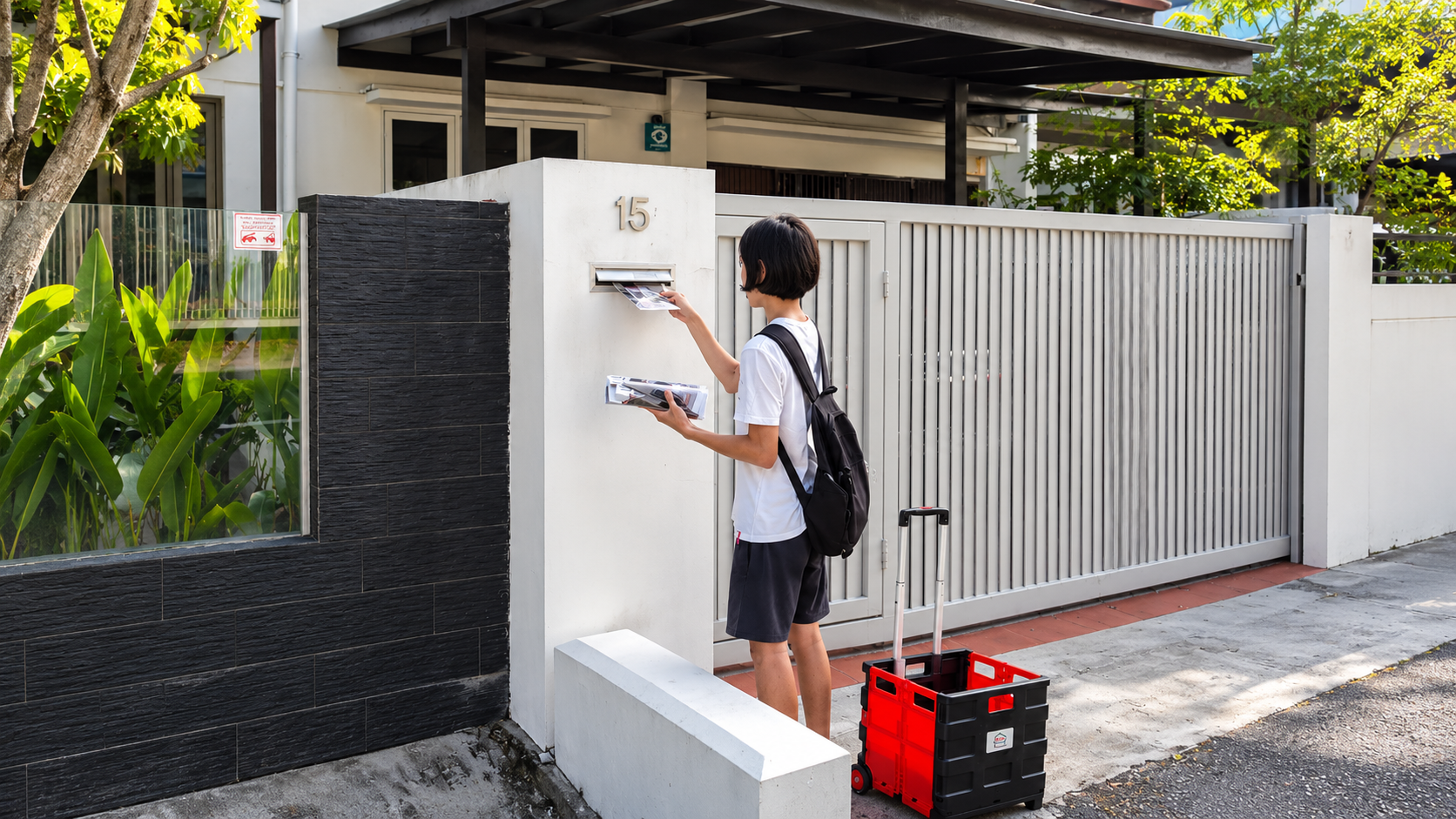
Because landed homes can be geographically concentrated, a campaign can be planned around selected neighbourhoods instead of treating the entire island as one market. Home renovation, landscaping, private education, premium household services and selected lifestyle businesses may consider this approach.
4. CBD Office: Reach Professionals and B2B Decision-Makers
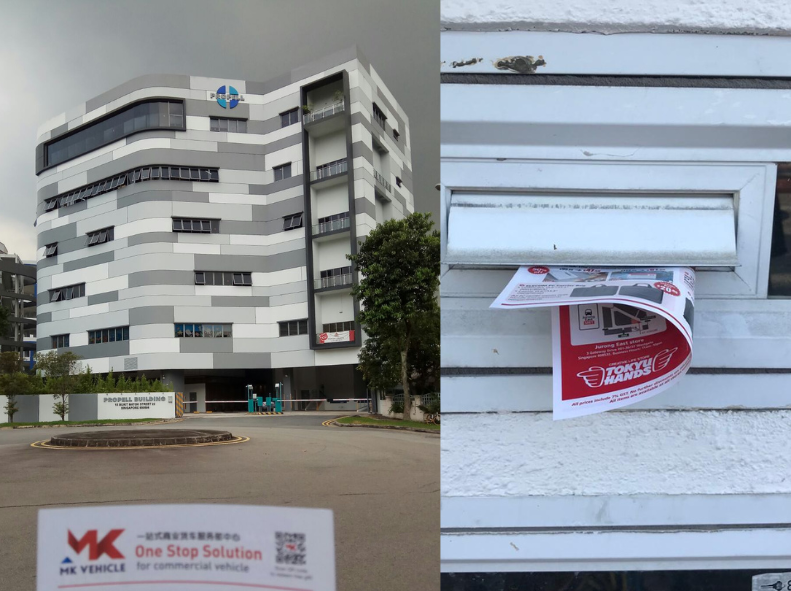
CBD office areas can be relevant for B2B services, professional services, recruitment, corporate solutions, food delivery, lunch promotions, financial services and businesses targeting working professionals. The message can also change. Instead of a residential offer, consider a business-focused proposition, lunchtime promotion, corporate package or service that solves a workplace problem.
5. Retail Shops: Reach Customers Already in Shopping Areas
Retail environments are useful when your audience is already in a purchasing mindset.
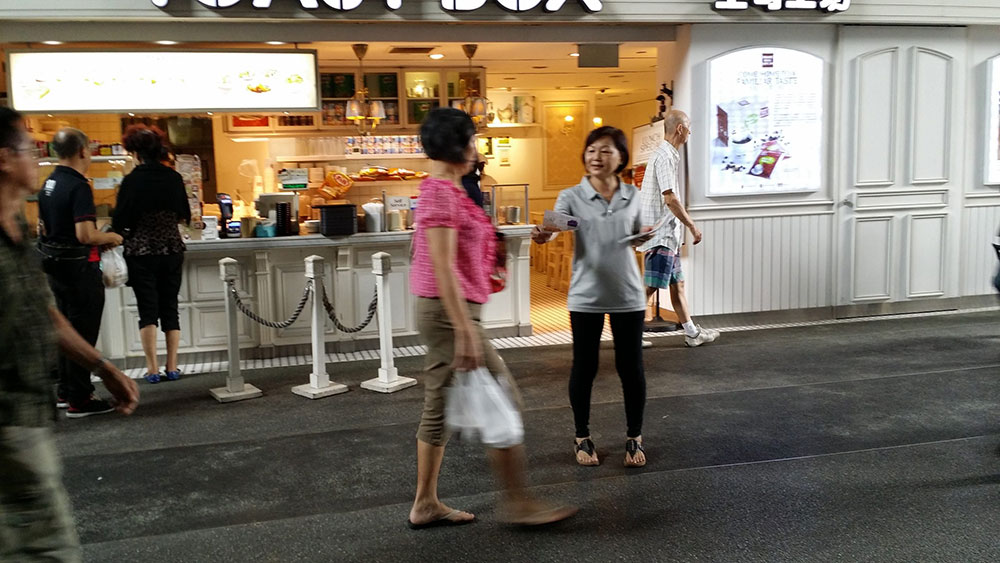
A flyer distributed around shopping streets, retail clusters or nearby commercial areas can promote store openings, seasonal promotions, product launches, events or limited-time offers. The closer the distribution point is to the actual customer journey, the easier it becomes to connect the flyer with an immediate action.
6. Factory and Industrial Areas: Reach Workers and B2B Audiences
Businesses selling workplace services, industrial supplies, employee-focused offers, recruitment services, food delivery or B2B solutions may consider industrial clusters where relevant. The campaign should reflect whether the target is the worker, supervisor, business owner or procurement decision-maker.
7. Carparks: Match the Message With a Location-Based Need
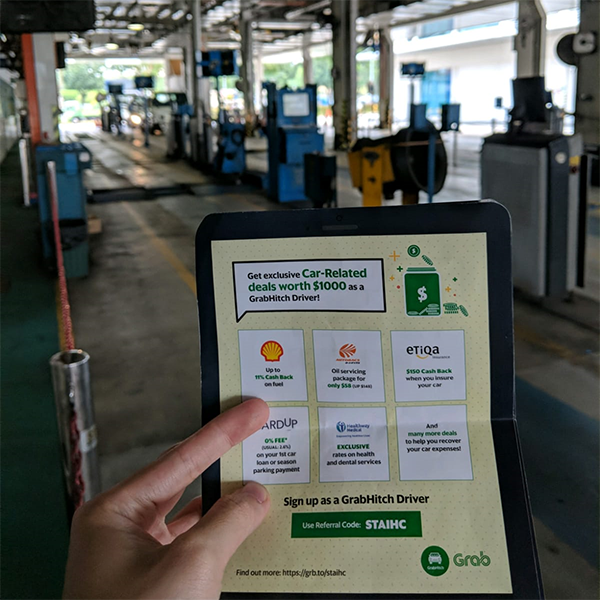
Carpark distribution can be particularly relevant to automotive businesses and services connected to vehicle ownership.
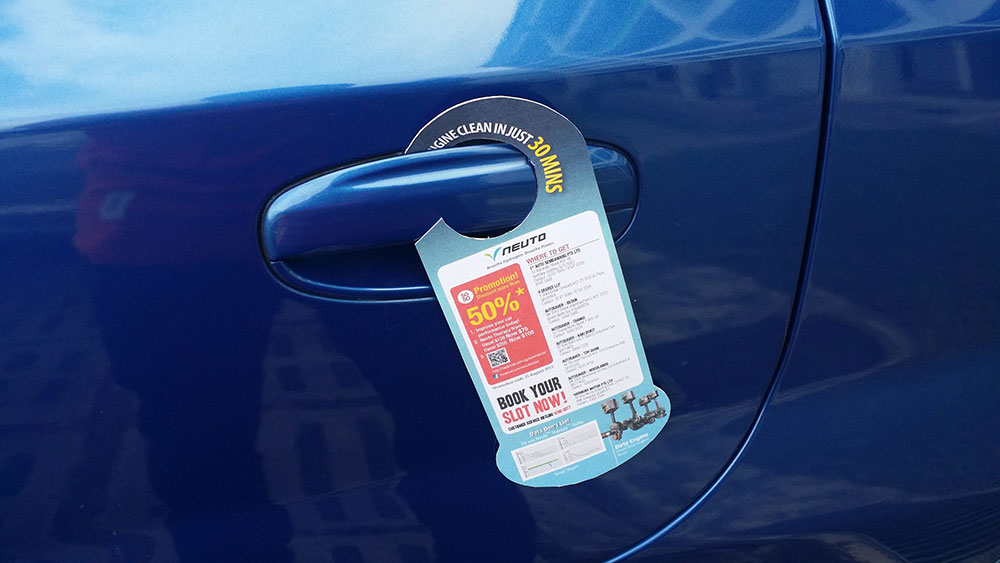
Examples include car servicing, detailing, insurance-related services, workshops, vehicle accessories, and other location-relevant offers. Timing also matters because the audience may be more receptive when arriving at or leaving a location.
8. Street Distribution + EyeOnMe™: When Visibility and Movement Matter
Street distribution works differently from residential distribution because the audience is moving through a public space.
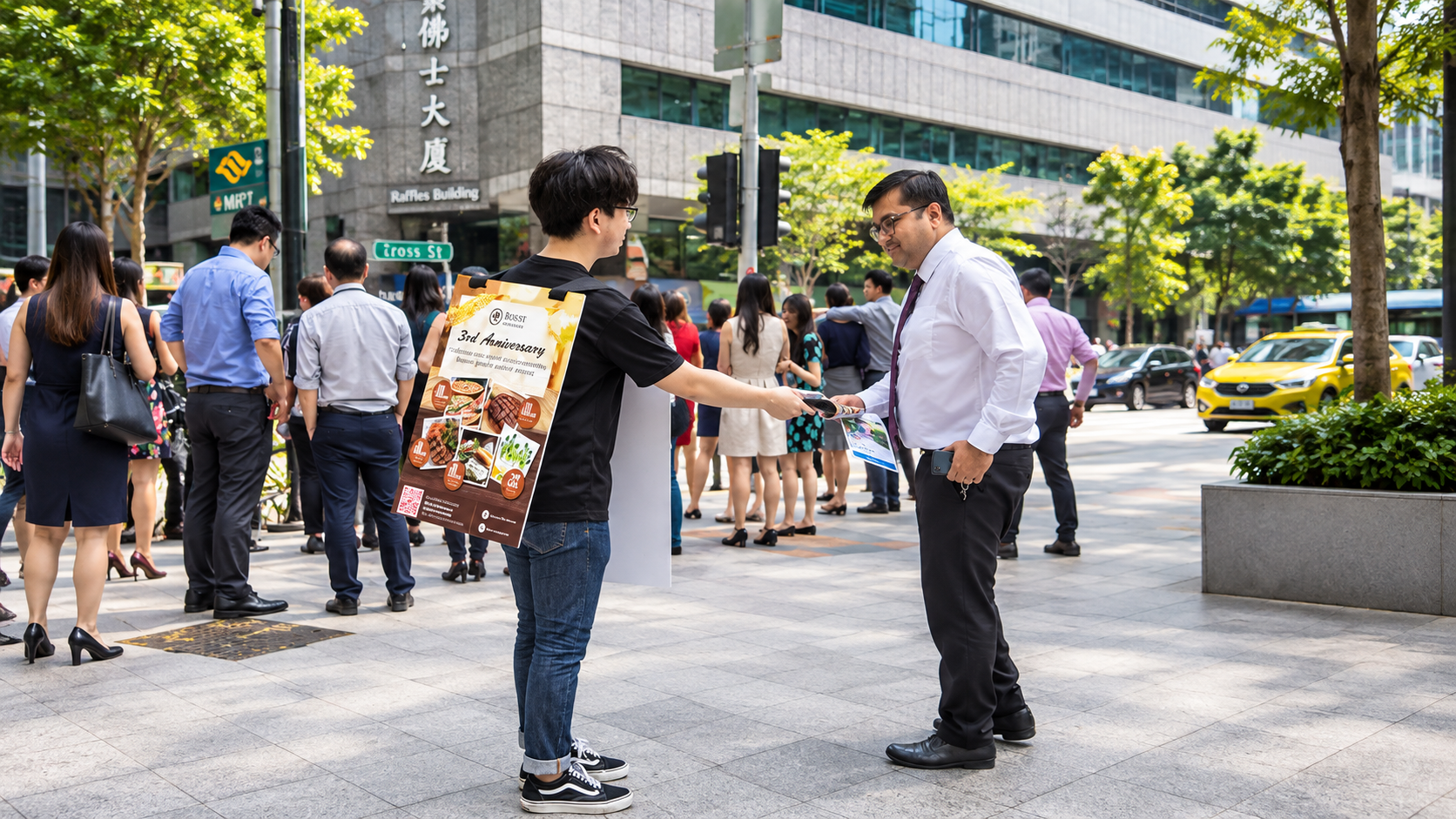
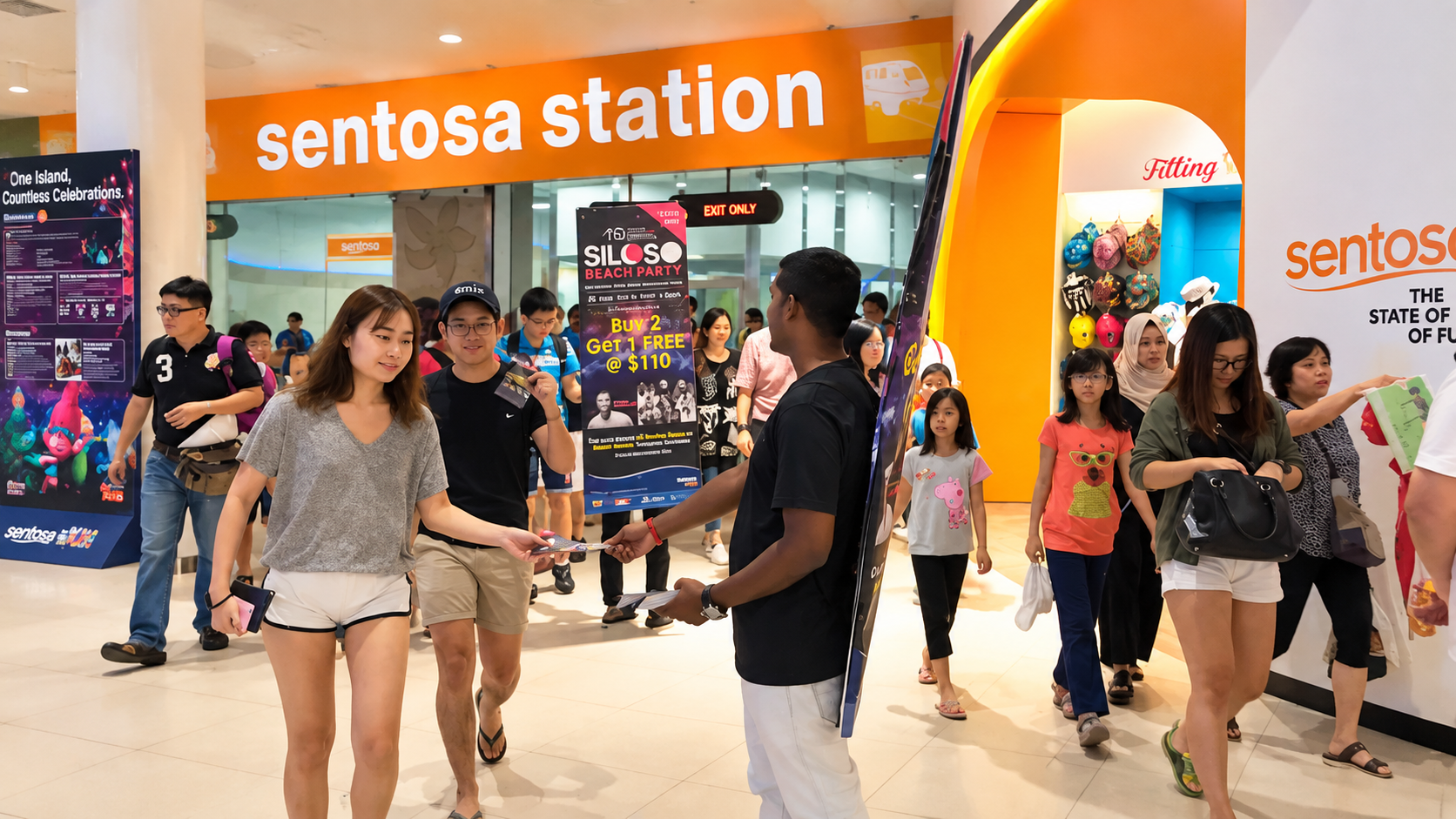
For launches, events, F&B promotions, nightlife campaigns, and products that benefit from demonstration or direct interaction, high-visibility formats such as EyeOnMe™ can help attract attention. Flyer Distribution SG offers formats including display boards and other street engagement solutions designed for high-footfall environments.
Now the question that you should ask: Where will the right people already be walking, and when are they most likely to notice and engage?
Case Study: How a Day and Night Street Strategy Doubled the Audience for Night Flasher
A client running a Night Flasher product needed a street distribution strategy that could build brand awareness and drive product engagement, but the audience most likely to respond looked different depending on the time of day. This became the foundation of a two-part strategy built around when, not just where.
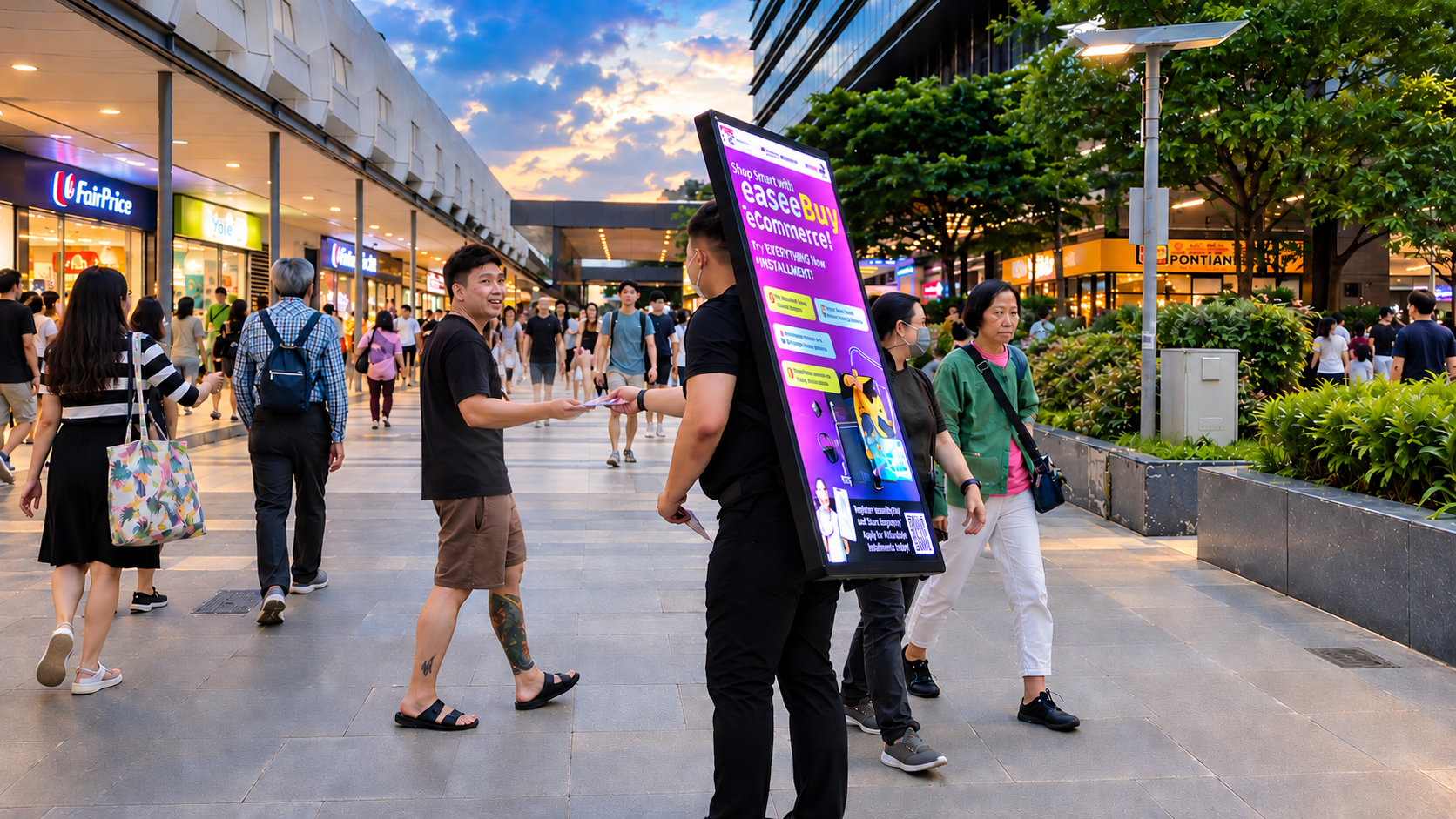
During the day, from 11:30am to 2:30pm, the team worked high-traffic pedestrian areas to maximise visibility and product recall. One distributor wore a display board to capture attention, paired with a promoter actively engaging passersby, ensuring the interaction was direct rather than passive. In the evening, from 5:00pm to 8:00pm, the same display board and promoter combination shifted to key nightlife spots, where the audience was naturally more receptive to a product built around visibility after dark.
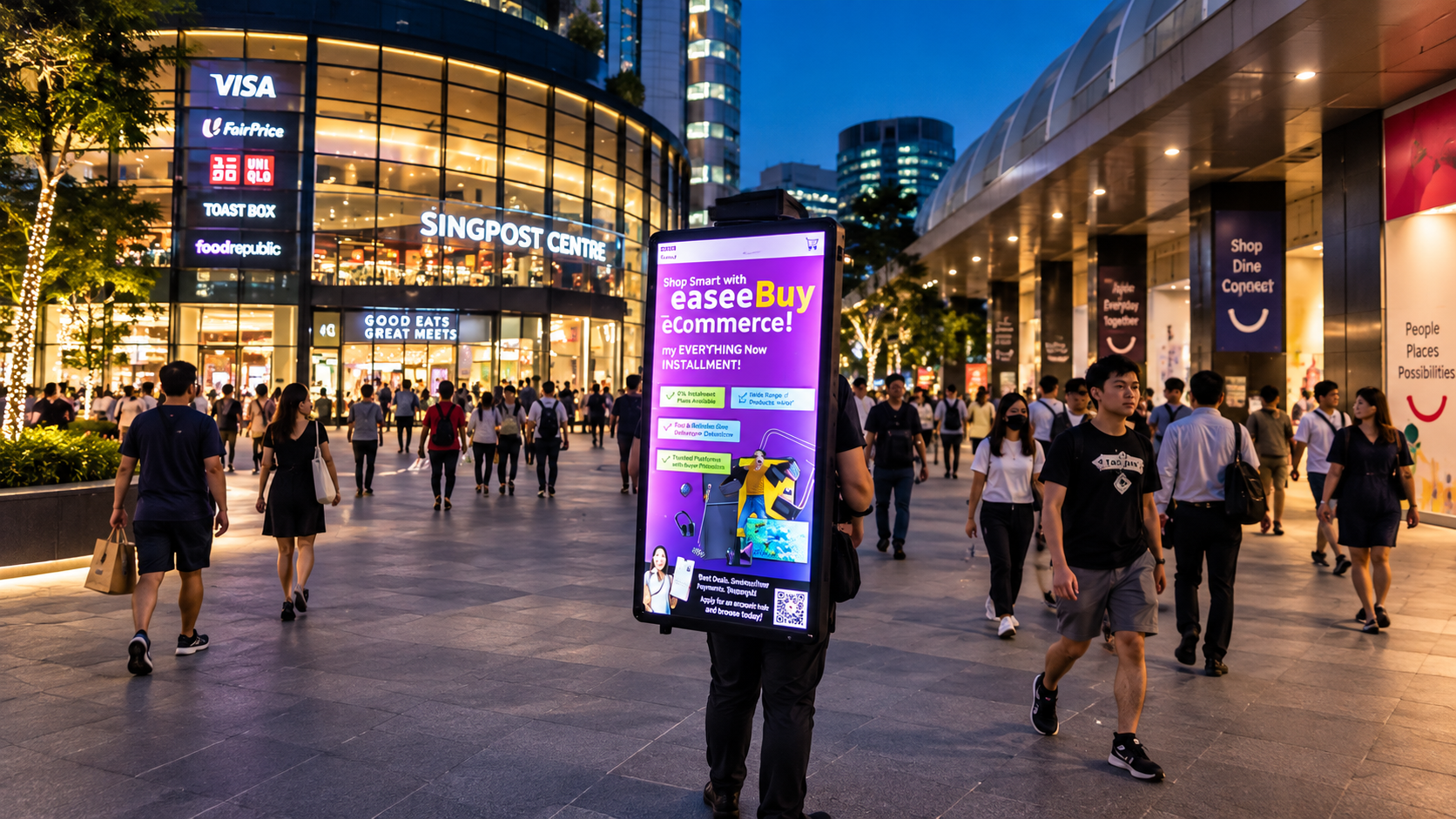
The results reflected the value of matching timing to audience behaviour rather than running one static campaign across the whole day. Live interactions and high-visibility display boards drew strong engagement from passersby at both times, the combination of visual advertising and direct communication kept the brand top-of-mind, and engaging consumers at two distinct times of day allowed the campaign to reach a wider range of demographics than a single daytime or nighttime push could have achieved alone.
Closing
A flyer campaign built around quantity alone treats every household, office, and street corner the same way, and that almost always means paying to reach people who were never the right audience to begin with. Matching housing type, location, and timing to your actual customer profile is what turns a distribution budget into a campaign that performs.
This is the approach we bring to every campaign we plan, helping businesses figure out who should receive their message before deciding how many pieces they need. The right eight locations covered above are not interchangeable, and neither is the audience behind each one.
Where is your target customer actually spending time in Singapore? Comment “TARGET LOCATION” and tell us your business type. We would love to hear who you are trying to reach and discuss which distribution location could fit your campaign.
Q&A
What is the best flyer distribution location in Singapore?
There is no single best flyer distribution location for every business. The right location depends on your target audience, business type, campaign objective, offer and timing. HDB estates can suit neighbourhood services, CBD offices can reach professionals and B2B audiences, while retail areas, industrial estates, carparks and high-footfall streets serve different customer groups.
Should I choose my flyer distribution location based on price or audience fit?
Audience fit should come first. A lower price per 1,000 flyers may reduce the initial campaign cost, but reaching people who are unlikely to need your product can limit the value of the campaign. For flyer distribution in Singapore, identify your target customer first, then compare suitable locations, coverage and costs.
Is HDB flyer distribution one single audience?
No. HDB residents represent different household profiles, flat types, ages and income levels. Roughly 80% of Singapore’s population lives in HDB flats, so businesses should consider the specific estate, flat type, surrounding amenities and customer profile when planning HDB flyer distribution.
How do I choose between HDB, condo and landed flyer distribution?
Start by matching your product or service with the households you want to reach. HDB flyer distribution can suit neighbourhood-based businesses, condo distribution can reach specific private residential communities, while landed distribution can be relevant for selected premium residential services. Housing type is a useful segmentation factor, but it should be combined with location, age, lifestyle and purchasing needs.
Does age matter when choosing a flyer distribution location?
Yes. Age can influence where your target audience spends time, the type of offer they respond to and how your flyer should communicate its message. DataReportal’s Digital 2026 Singapore data shows that the 25 to 34 age group represents 20.3% of Singapore’s population. This makes age a useful consideration alongside housing type and location when planning a targeted flyer campaign.
Which flyer distribution location is suitable for B2B businesses in Singapore?
CBD offices and industrial areas can be suitable for businesses targeting professionals, companies, workers and B2B decision-makers. The right choice depends on whether your target customer works in an office, operates from an industrial cluster or belongs to a specific business community.
Are retail areas suitable for flyer distribution?
Yes. Retail shop and shopping area flyer distribution can work when your target customers are already visiting commercial areas. Retail promotions, store openings, events, F&B offers and limited-time campaigns can benefit from reaching people close to where they can take immediate action.
Are carparks a good location for flyer distribution?
Carparks can be relevant for automotive and location-based services because they provide access to people who are already using vehicles. Businesses such as car workshops, detailing services, vehicle accessories and related services can consider carpark distribution when the location matches their target market.
Does timing matter as much as location for flyer distribution?
Yes. The Night Flasher case study demonstrates how daytime and nighttime street campaigns can be planned around different audience behaviours. The campaign used daytime engagement from 11:30 AM to 2:30 PM and nighttime engagement from 5:00 PM to 8:00 PM, allowing the campaign to reach different audiences in different environments.
Should I decide my flyer quantity before choosing the distribution location?
It is generally more effective to identify your target audience and distribution location first. Once you know who you want to reach and the geographical coverage required, you can estimate the number of households, businesses or people to target and determine a suitable flyer quantity.
Can I use multiple flyer distribution locations for one campaign?
Yes. A Singapore SME can combine locations when a campaign targets different customer groups. For example, an F&B business could use HDB distribution to reach nearby residents while using street distribution or EyeOnMe™ around a busy retail area to increase visibility among passing customers.
When should I use Street Distribution or EyeOnMe™?
Street distribution and EyeOnMe™ can be considered when visibility, movement and direct engagement are important. They can suit high-footfall areas, retail environments, events, nightlife locations and campaigns where businesses want their message to be seen while promoters interact directly with potential customers.
Can AdMail via SingPost be used for residential flyer distribution?
Yes. AdMail via SingPost can help businesses reach selected residential audiences through a structured mailing process. This can be useful for campaigns targeting suitable condo, landed or other residential addresses, while reducing the operational work involved in reaching individual households.
What information should I provide before asking for a flyer distribution quotation?
Provide your business type, target customer, preferred location or service area, campaign objective, offer, preferred timing and approximate quantity. If you are unsure about the quantity, start by explaining who you want to reach. This gives the distribution provider the information needed to discuss a more suitable flyer distribution strategy in Singapore.